
Resin-Bound Stones: Everything You Need To Know Before Installation
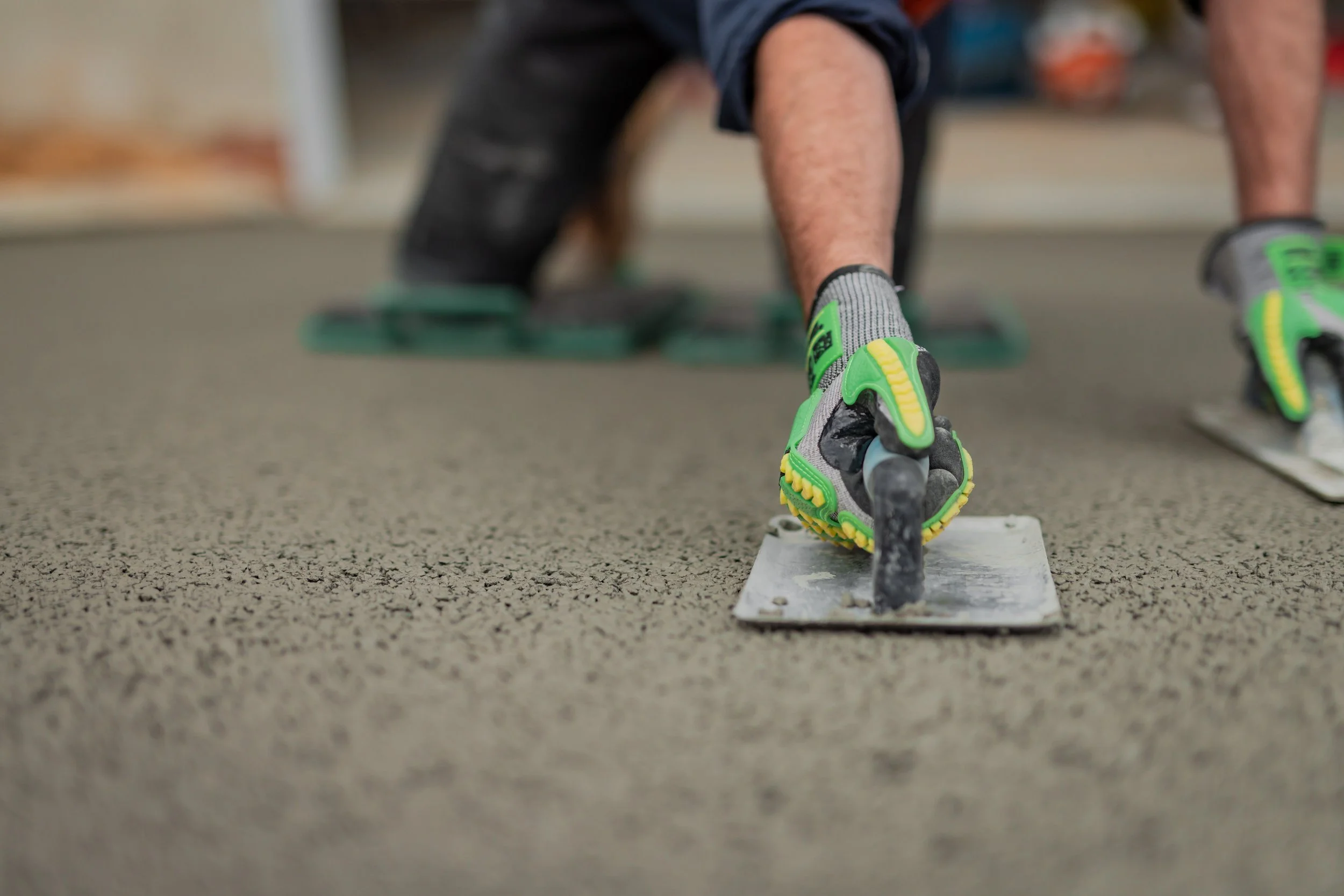
If you’re looking for a modern, durable and stylish surface solution, resin-bound stone paving is worth considering. Its contemporary finish complements both residential and commercial spaces, while its proven durability makes it a dependable long-term choice.
In this guide from the team at EarthSet, we explore how resin-bound stone surfaces work, where they’re commonly used and how to ensure a successful installation.
What are resin-bound stones?
Resin-bound stones are a surfacing system created by combining natural aggregates with a specialist resin binder to form a smooth, permeable finish. The bound mixture is applied over a prepared base, creating a stable surface that supports effective water drainage while maintaining a refined appearance.
Benefits of installing resin-bound stone surfaces
Discover the advantages that make resin-bound stone a practical and versatile choice for outdoor surfaces.
Permeability and drainage
Resin-bound stones allow water to pass through the surface and disperse into the ground below. By contrast, impermeable surfaces force rainwater to flow across the surface, creating runoff or stormwater. This stormwater is channelled through drains and underground pipes into creeks and rivers, often carrying pollutants along the way and increasing the risk of erosion.
Strength and surface stability
Resin-bound surfaces are designed to perform well under regular use, including foot traffic and light vehicle movement. The bonded structure helps maintain an even surface without rutting or displacement.
Low maintenance and weed resistance
The seamless finish leaves minimal space for weeds to establish, reducing the need for ongoing treatment. Routine maintenance is straightforward and typically limited to sweeping or occasional pressure cleaning.
Slip resistance and safety
The textured aggregate provides natural grip underfoot, offering reliable slip resistance in both wet and dry conditions. This makes the surface ideal for shared access areas and pedestrian-focused environments.
Customisable layouts and detailing
A broad selection of aggregate colours and blends allows for tailored finishes that integrate easily with surrounding materials. This flexibility supports both subtle, natural looks and more contemporary design schemes.
Common applications for resin-bound stone surfacing
Resin-bound surfacing is used across a wide range of settings where a clean finish and reliable performance are required:
Residential
In residential spaces, resin-bound stone surfacing may be recommended for driveways, pathways, patios and garden walkways. It creates a neat surface that complements outdoor living areas and integrates seamlessly with surrounding landscaping.
Commercial and public
For commercial and public environments, resin-bound stone surfacing is often applied to pedestrian walkways, courtyards, retail forecourts and shared access areas. The even finish supports accessibility requirements, making it suitable for spaces that accommodate foot traffic, wheelchairs and prams.
Landscaping
Resin-bound stone surfacing is frequently used in landscaping projects, including around trees, planters and seating zones. Its adaptability allows it to be shaped around existing features, delivering clean edges and defined layouts without disrupting surface flow.
How to maintain resin-bound stone surfaces for long-term performance
The following tips can help support long-term durability and keep the surface looking its best:
Sweep regularly — Remove leaves, dirt and debris to prevent buildup and maintain a clean surface.
Use gentle pressure cleaning — Occasional pressure washing can help refresh the surface, but avoid high-pressure settings that may damage the bonded structure.
Clean spills promptly — Oils, chemicals and staining substances should be cleaned as soon as possible to reduce the risk of discolouration.
Avoid harsh chemicals — Strong cleaning agents and solvents can affect the resin over time and should be avoided.
Inspect high-use areas — Periodically check areas exposed to heavier use for early signs of wear, allowing issues to be addressed before they worsen.
Follow professional maintenance advice — Refer to your installer or manufacturer guidelines to ensure ongoing care aligns with the specific system used.
Rely on EarthSet for professional resin-bound stones services
While resin-bound stone surfacing is a robust and adaptable system, long-term performance relies on thoughtful design, proper base preparation and precise installation.
If you’re planning a new outdoor surface or considering an upgrade, working with experienced professionals can make all the difference. The team at EarthSet can help you assess site conditions, select the right materials and ensure your resin-bound stone surface is installed correctly. Get in touch with us today for expert guidance and bespoke resin-bound stones services.
