
Permeable Paving Solutions: How To Choose The Right Option For Your Property
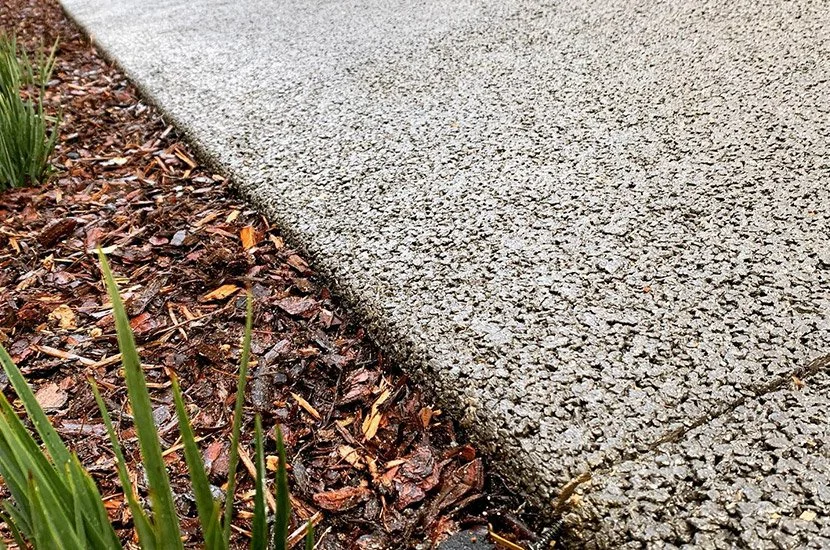
Permeable paving is widely used across Australia in residential, commercial and public environments. They’re designed to support drainage performance while maintaining functional hard landscaping.
In this guide, the team at EarthSet explains common permeable paving solutions and how to select the right option for different site requirements.
What is permeable paving?
Permeable paving systems are built to allow water to pass through the surface and into the ground below. Urban environments tend to rely heavily on impervious surfaces such as conventional concrete and asphalt. While durable, these surfaces prevent water from infiltrating the ground, increasing surface runoff and placing pressure on stormwater systems. As runoff moves, it can collect and transport pollutants, such as sediment and suspended solids, organic waste, heavy metals and oil and grease into surrounding drainage networks and watercourses. These contaminants can degrade water quality, impact aquatic ecosystems and create compliance challenges for developments.
Permeable paving systems help reduce these risks by supporting filtration and reducing surface water accumulation. They can also help reduce the urban heat island effect, where hard surfaces trap heat and raise temperatures in built-up areas.
Common types of permeable paving solutions
Below are the different permeable paving systems and how and where they’re used.
Permeable interlocking concrete pavers (PICP)
Permeable interlocking concrete pavers use individual concrete units laid with widened joints filled with permeable aggregate. Water drains through the joints rather
than across the surface. These systems are specified for footpaths and civic spaces where modular construction and access to subgrade drainage are required.
Pervious or porous concrete
Pervious concrete is manufactured with a reduced amount of fine particles, creating a porous internal structure that allows water to drain vertically through the slab.
This form of permeable paving is often used in car parks, access roads and commercial applications where a continuous surface is preferred.
Porous asphalt
Porous asphalt functions similarly to porous concrete, using a modified aggregate structure that allows water to infiltrate through the surface. It’s an ideal choice for large-scale applications such as car parks and roadways. While effective for managing runoff, porous asphalt needs regular maintenance to ensure voids remain open and drainage capacity is preserved.
Concrete or plastic grid systems
Grid systems consist of interlocking structural units made from concrete or plastic, filled with gravel or grass. These systems allow water to infiltrate through the open cells while providing surface stability. They’re often used in overflow parking areas, emergency access zones and low-speed traffic environments where partial vegetation or gravel finishes are acceptable.
Resin-bound paving
Resin-bound paving combines natural aggregates with a clear resin to form a solid, permeable surface. Water drains through the small voids between the bound stones, allowing effective infiltration without loose material. This sustainable permeable paving option may be recommended for residential driveways, commercial developments and public spaces.
Loose gravel or aggregate
Loose gravel and aggregate surfaces allow water to infiltrate naturally through voids between stones. They’re typically found on garden paths, informal driveways and landscaping features. While affordable and simple, loose aggregates are generally limited to low-traffic areas and require ongoing maintenance to manage displacement and surface stability.
Grass pavers
This sustainable paving option combines structural grids with soil and turf, creating a green surface capable of supporting light vehicle loads while allowing water infiltration. Grass pavers can be seen in environmentally sensitive areas, council projects and developments aiming to reduce visual hardscaping.
Get in touch with EarthSet for sustainable paving solutions
Selecting the most suitable option often requires professional assessment of site conditions, usage demands and compliance requirements.
EarthSet supplies and installs engineered permeable paving systems across various environments. For a site-specific assessment, learn more about EarthSet’s permeable paving installation process. We help clients assess site requirements and secure the most suitable paving system, offering both a standard range and custom finishes. Reach out to us now to discuss your project and get expert guidance.
